

Your Educational Resource on Vascular Access
This pages are dedicated to helping patients, families, and caregivers better understand vascular access - what it is, why it’s sometimes necessary, and the different types available.
We explain the basics of the vascular system and introduce two common vascular access devices: port catheters and PICC lines.
Our goal is to provide clear, easy-to-understand information to support awareness and informed conversations with healthcare providers.

The Vascular System and Its Anatomy
The vascular system, also called the circulatory system, plays a vital role in keeping your body functioning. It transports oxygen, nutrients, hormones, and waste products throughout the body, making its health essential for your overall well-being.
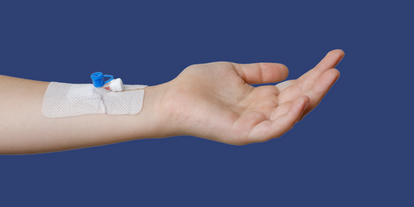
What is Vascular Access?
Sometimes, healthcare providers need to deliver medications, fluids or treatments directly into your bloodstream. For this purpose, a so called vascular access is established.
Learn about various types of vascular access, including their differences, benefits, and limitations.
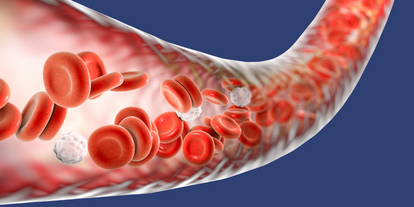
Vascular Access in Oncology
Find out, why vascular access is so important for cancer care and discover the most common types used in oncology treatments.
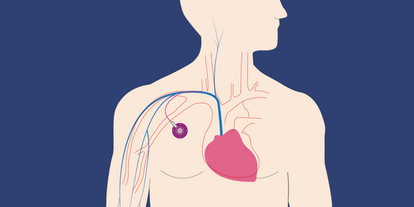
Port Systems
Port systems play a vital role in long-term intravenous treatments. Learn about the different types of port systems, how they work, their design, implantation procedures, and potential risks.
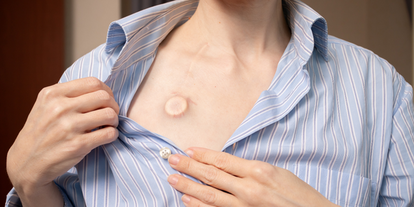
Everyday Life with a Port
Find out how a port system fits into everyday life, how long it can remain implanted, and why carrying an Implant Card is so important for your safety and peace of mind.
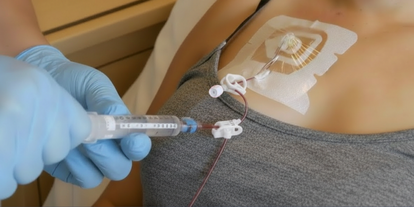
Port System Care
Proper care of your port is an essential requirement for it to work effectively and remain free from infections. Learn more about how long a port needle can stay in place, whether you need to wear a dressing, and the steps for maintaining your port system.
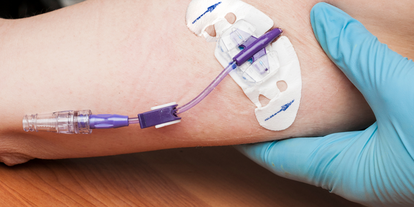
Understanding the PICC
A Peripherally Inserted Central Catheter, or PICC line, is a thin, flexible tube inserted into a vein in your arm and guided to larger veins near your heart. Learn more about what they are, how they’re used, the insertion process, and the benefits they offer.

PICC Line Care
A PICC line is an essential tool for delivering medications, fluids, or nutrients directly into the bloodstream. While it offers significant benefits, proper care and maintenance are crucial to allow effective treatment and prevent complications like infections or blockages.

PICC Line: How Long Can It Stay Implanted?
What is the typical lifespan of a PICC line, what are possible complications, and how can proper care ensure its effectiveness?
Please note that the information within this website is not intended for self-diagnosis. It is in no way a substitute for a medical diagnosis and advice.
Image sources:
- Key Visual: © Лариса Лазебная- stock.adobe.com
- Teaser Vascular System: Key Visual: ©Indigo Studio - stock.adobe.com
- Teaser What is: ©millaf - stock.adobe.com
- Teaser VA in Oncology:©Dr_Microbe - stock.adobe.com
- Teaser Port Systems: ©pfmmedical
- Teaser Everyday life: ©yta - stock.adobe.com
- Teaser Port Care: KI
- Teaser PICC: ©cristianstorto - stock.adobe.com
- Teaser PICC Care: ©gumpapa - stock.adobe.com
- Teaser PICC Duration: ©cristianstorto - stock.adobe.com